Brewerton Side/Corner Notched
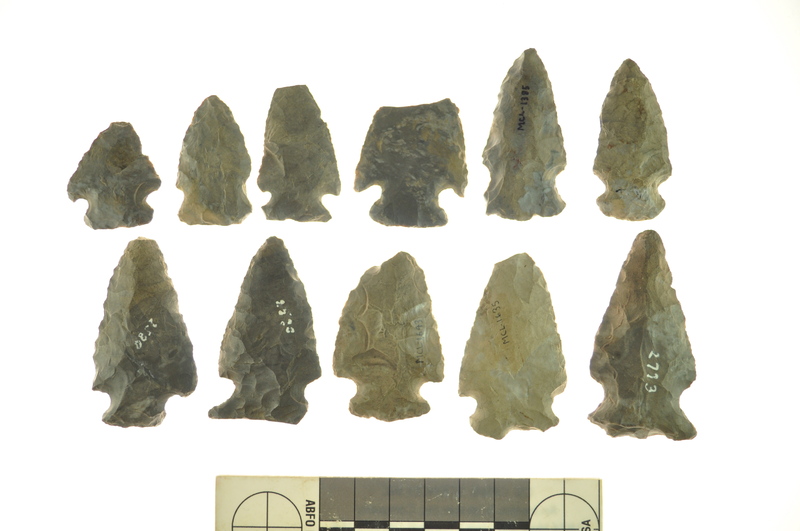
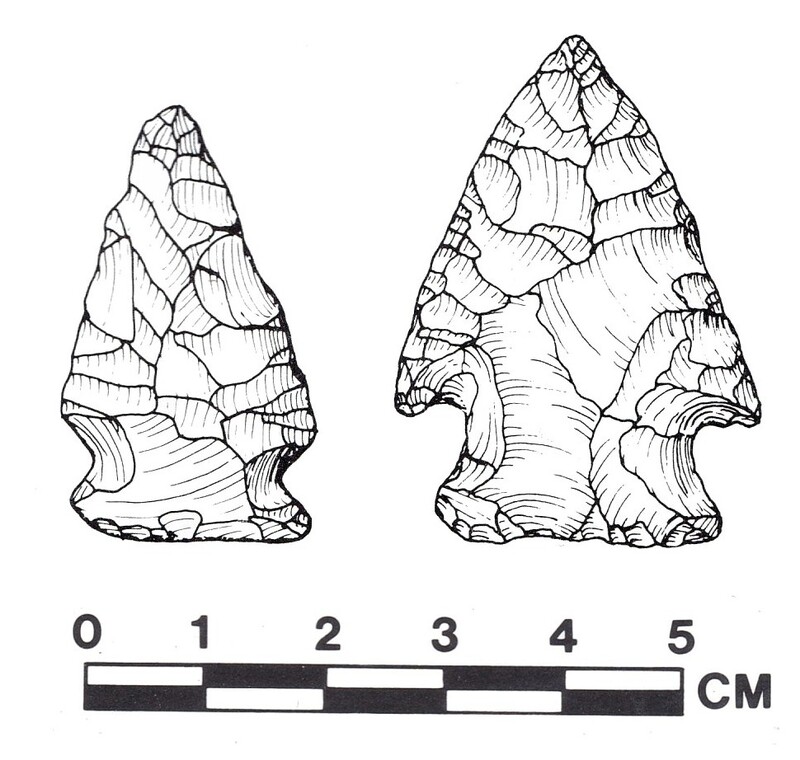
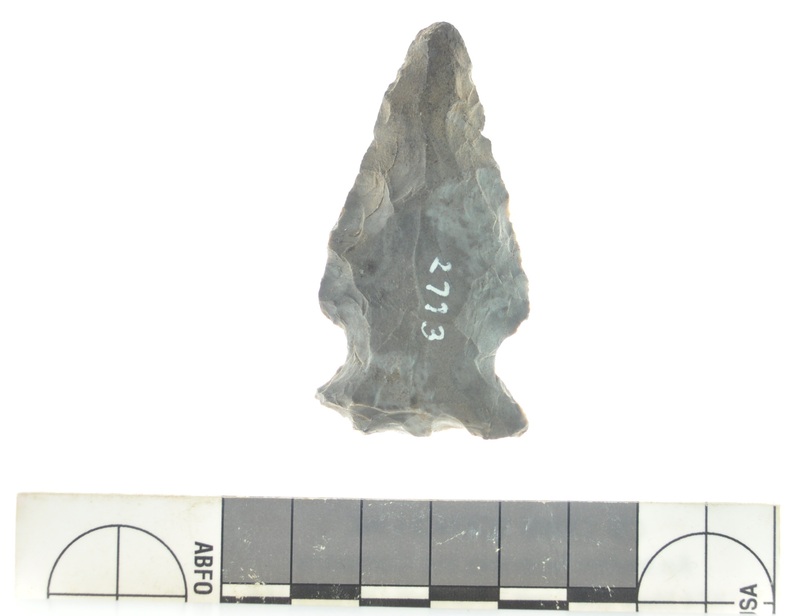
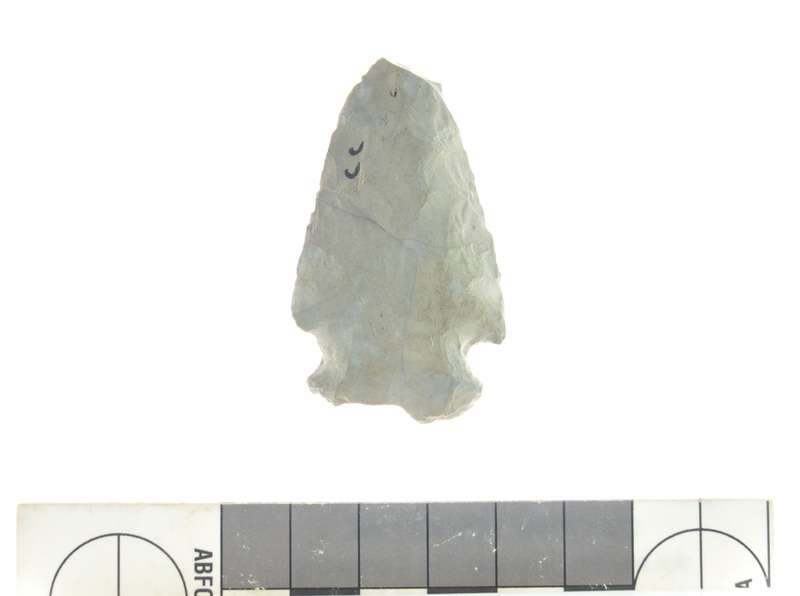
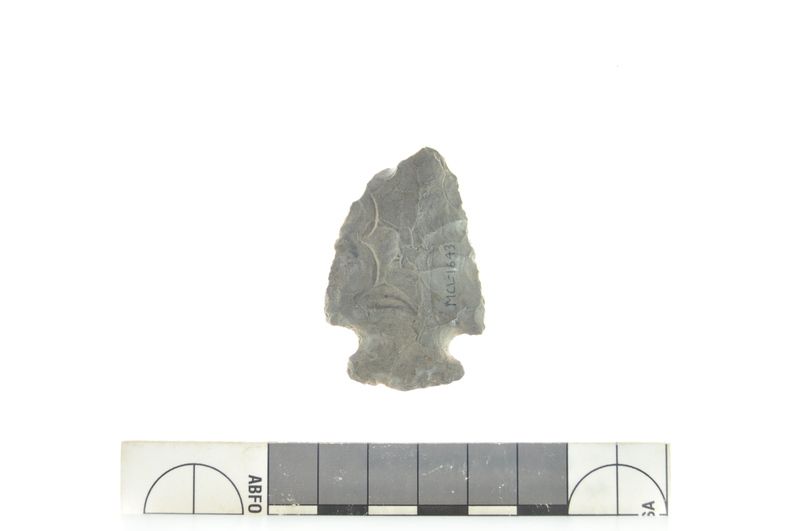
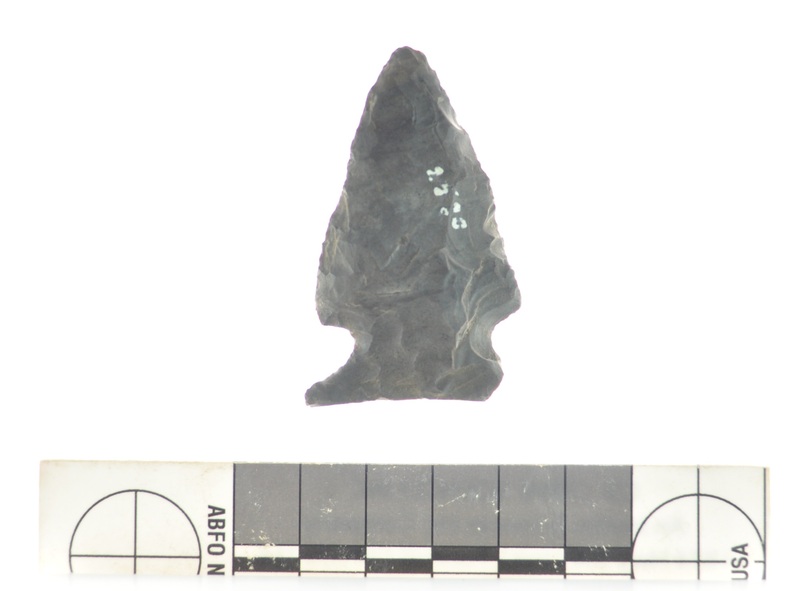
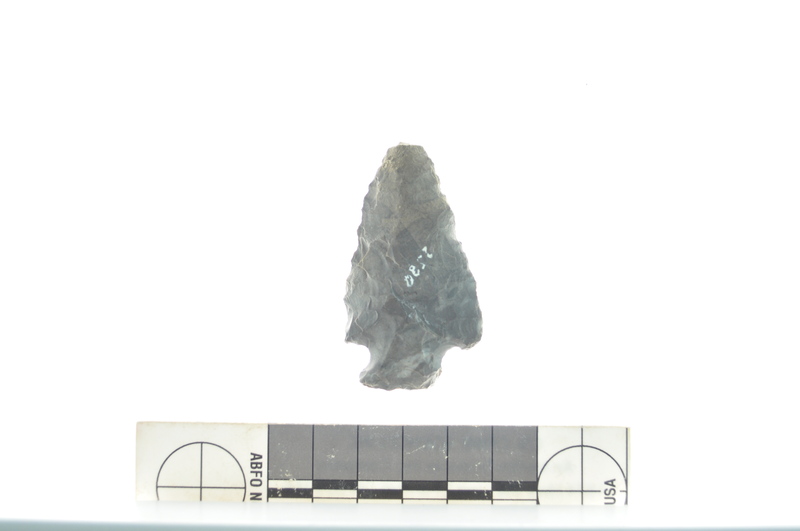
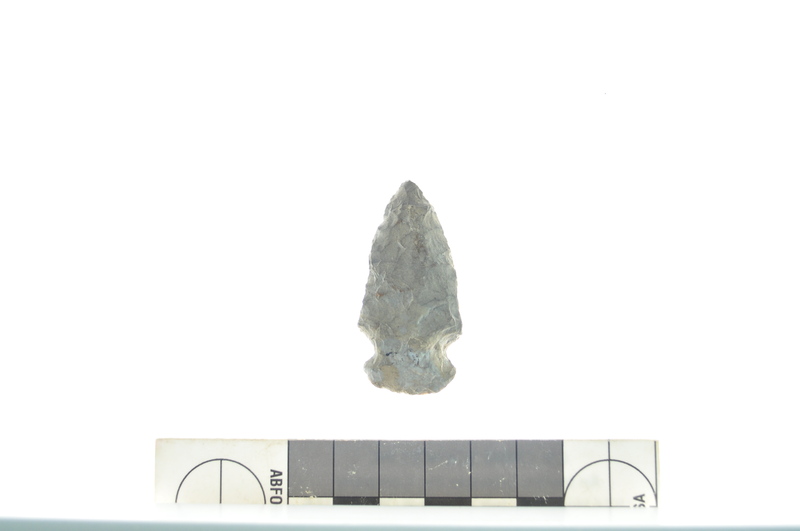
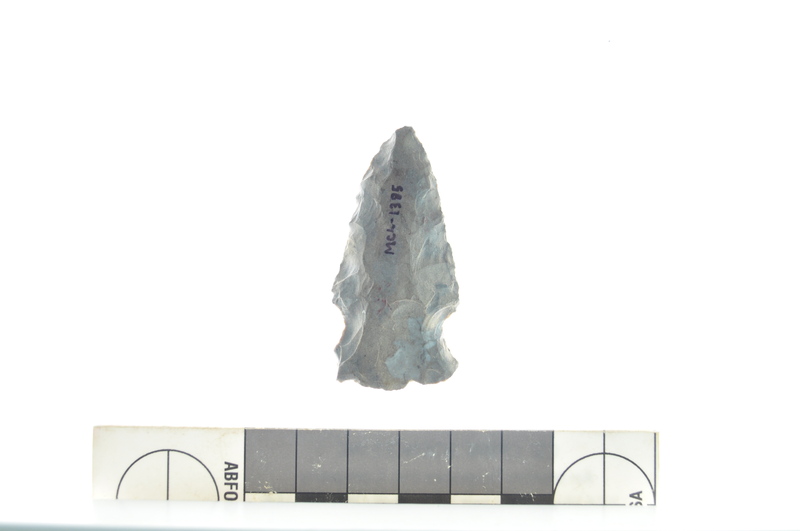
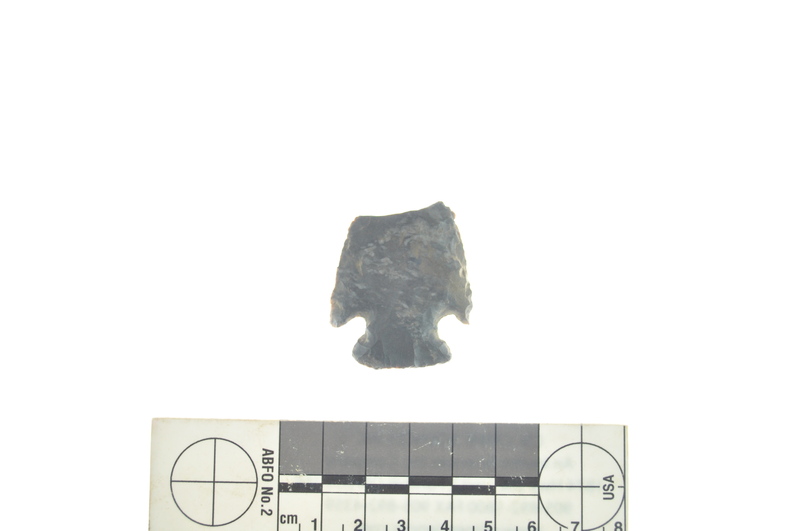
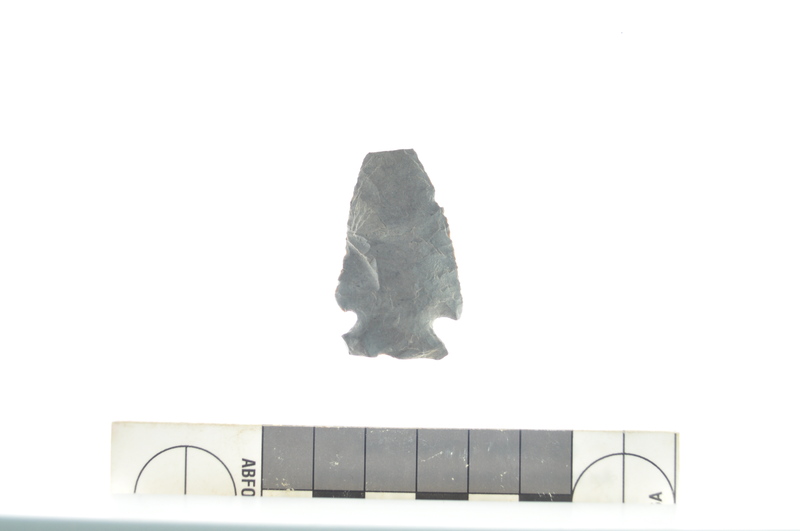
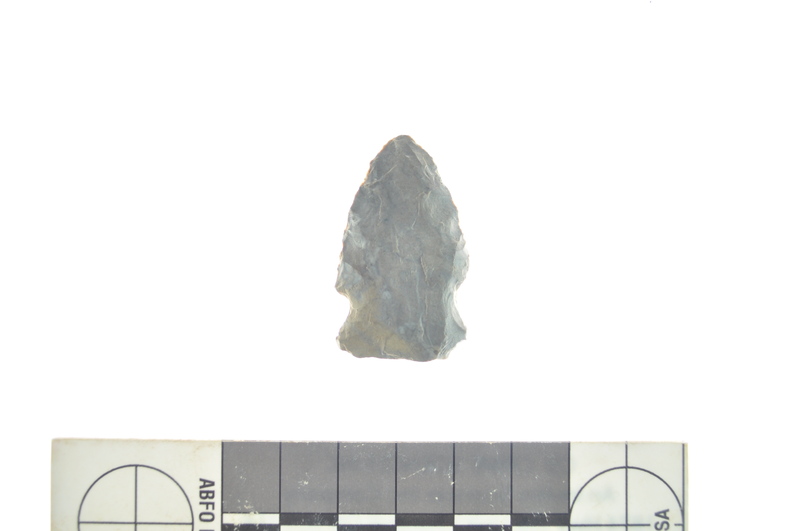
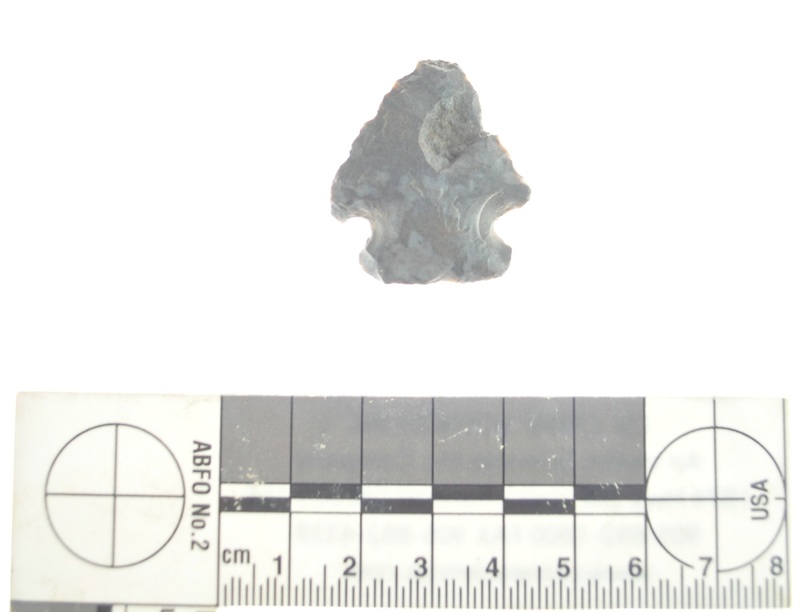
Date Range: 3800-3200 BCE
Dimensions: Size is quite variable. Most specimens fall within the following ranges: length 30-60 mm, width 20-40 mm, hafting width 10-22 mm, thickness 6-11mm.
Shape: Brewerton points have a triangular outline. The blades usually have convex lateral margins; some specimens have straight or concave margins, but these are mostly re-worked and re-sharpened points. Typically the bases are straight or slightly convex. The hafting modification ranges from basally notched to side-notched. In cross-section the points are often lenticular, but, owing to variable workmanship, they may be plano-convex or otherwise asymmetric.
Flake Pattern: Brewerton points tend to be rather thick and coarsely made, with irregular flake scars. Some bases are slightly to heavily ground.
Material: The raw material is usually Onondaga chert, Selkirk and Haldimand cherts are also found.
Distribution and Cultural Affiliation: Brewerton points are found throughout much of eastern North America.
Notes: Many of the larger Brewerton Corner-Notched “points” may well have functioned as knives. It is not uncommon to find specimens having their distal ends retouched into scraper edges.
References: Kenyon, I. – 1981 Brewerton Corner-notched Points. KEWA 81-8, Justice, N.D., (1987) Stone Age Spear and Arrow Points of the Midcontinental and Eastern United States